
Email: ainlbusshelter@gmail.com | WhatsApp: +86-18800607527
Views: 210 Author: Ainl Bus Shelter Publish Time: 2026-10-06 Origin: Site


Content Menu
● Urban Bus Shelter vs Highway Bus Shelter: Key Differences
● Wind Resistance: Why Highway Bus Shelters Often Need More Attention
>> Open Terrain Changes Wind Exposure
>> Follow the Complete Structural Load Path
● Rain, Snow, and Drainage: Protection Requires More Than a Roof
>> Wind-Driven Rain and Passenger Comfort
>> Snow Loads and Water Accumulation
● Corrosion Resistance: Compare the Environment, Not Just the Finish
>> Urban Pollution and Highway Salt Exposure
>> Specify a Coating System, Not a Color
● Materials, Panels, and Roof Design: What Actually Improves Durability?
● Roadside Safety and Accessibility: Strength Is Not Enough
>> A Highway Bus Shelter Is Not a Vehicle Barrier
>> Preserve Accessible Boarding and Circulation
● Three Practical Insights That Improve Shelter Procurement
>> 1. Create an Exposure Brief Before Requesting Prices
>> 2. Use Scenario Comparisons, Not Assumed Case Studies
>> 3. Request an Evidence Package
● Smart Systems and Solar Power: Environmental Design Must Include Electronics
● How Ainl Supports Site-Specific Bus Shelter Projects
● Choose the Shelter Specification That Fits the Site
>> Which handles tougher conditions: an urban bus shelter or highway bus shelter?
>> Can an urban bus shelter be installed at a highway stop?
>> Is a fully enclosed shelter always better?
>> What should buyers request for corrosion protection?
>> Does solar power make a shelter suitable for remote locations?
A highway bus shelter generally needs a more demanding environmental specification than an urban bus shelter because an exposed roadside location can combine strong winds, driving rain, road spray, and difficult maintenance access. However, a coastal urban bus shelter may face harsher conditions than a sheltered highway stop. The decisive factor is exposure, not the product label.
For planners, contractors, and transport operators, comparing an urban bus shelter vs highway bus shelter should therefore begin with site conditions rather than appearance. A heavier frame alone does not guarantee better performance. Foundations, connections, roof geometry, corrosion protection, and installation quality must work together.
From a manufacturing and procurement perspective, the right question is: which shelter configuration can demonstrate that it meets this particular site's requirements?
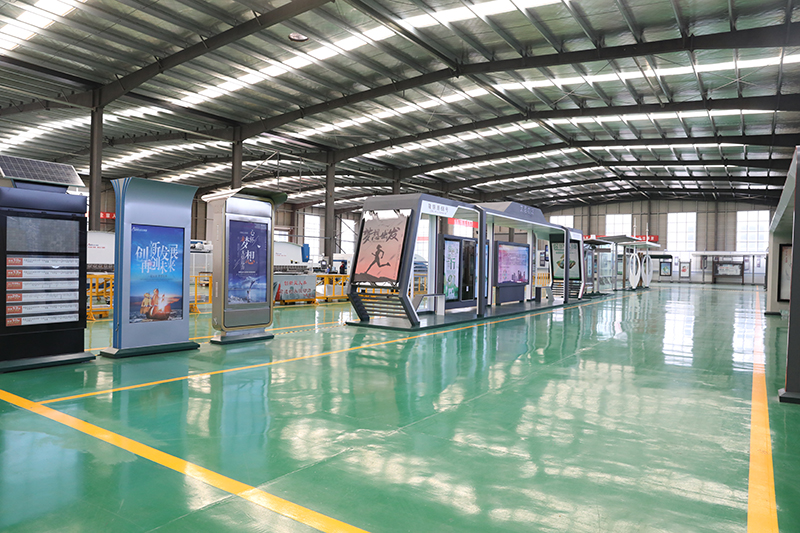
In this comparison, "highway bus shelter" means a shelter at an authorized roadside bus stop along a highway or higher-speed road—not permission to place passenger facilities beside any controlled-access roadway.
Neither term represents a universal structural rating. Both describe an operating environment that must be translated into engineering requirements.
| Comparison factor | Urban bus shelter | Highway bus shelter |
|---|---|---|
| Typical surroundings | Buildings, sidewalks, intersections | Open verges, rural roads, transport corridors |
| Wind conditions | Potential sheltering, but local turbulence | Potentially greater unobstructed wind exposure |
| Water exposure | Rain, runoff, street-cleaning splash | Driving rain and vehicle-generated spray |
| Corrosion risks | Pollution, coastal salt, winter road treatment | Deicing chemicals, moisture, coastal exposure |
| Passenger priorities | Pedestrian circulation, visibility, accessibility | Weather protection, safe separation, accessible approach |
| Maintenance conditions | Often easier access, but busy public spaces | Potentially longer journeys and restricted working access |
| Design priorities | Compact footprint and integration | Site-specific load resistance and maintainability |
These are planning tendencies, not guaranteed differences. An urban waterfront, exposed bridge approach, or hilltop interchange can require a demanding specification.
Buildings and vegetation can modify wind near an urban shelter. Open roadside terrain may offer fewer obstructions.
However, surrounding buildings do not automatically make an urban bus shelter safe from wind. Local geometry can create turbulence or concentrate airflow. A site assessment must consider wind direction, surrounding terrain, and topography.
Structural loading standards address wind alongside snow, rain, ice, and other applicable hazards. The governing requirements depend on the project's jurisdiction and adopted code.
Wind resistance depends on more than column thickness. Forces must pass through a continuous system:
1. Roof sheets and wall panels.
2. Panel fixings and supporting members.
3. Beams, columns, and structural connections.
4. Base plates and anchor assemblies.
5. Foundations and supporting ground.
A robust frame with inadequate anchors remains an inadequate structure.
For a wind-resistant highway bus shelter, request calculations covering the actual roof, side panels, advertising cabinets, and accessories. Adding an advertising screen or solar array after approval can change the structural demands.
Avoid accepting a headline wind-speed rating without its assumptions, units, design method, and installation conditions.
A roof that performs well during vertical rainfall may provide limited protection when rain arrives sideways.
Highway bus shelters may benefit from carefully positioned windward panels, suitable roof overhangs, and entrances oriented around prevailing weather. Urban bus shelters require similar attention where streets channel rain and wind.
More enclosure is not always better. Panel placement must also preserve visibility, accessible circulation, ventilation, and safe escape routes.
Snow design should reflect local climatic requirements and roof geometry. Designers must consider applicable unbalanced loading and drifting conditions rather than relying only on average snowfall.
Drainage deserves equal attention. Poor detailing can allow water to collect on roofs, around foundations, or beneath seating.
A practical specification should identify:
- Roof drainage routes and outlet positions.
- Access for clearing leaves and debris.
- Measures to prevent discharge across passenger access routes.
- Ground drainage around foundations and boarding areas.
- Inspection procedures after severe weather.
The objective is not simply a dry roof. It is a usable waiting area throughout the local weather cycle.
Urban bus shelters may encounter polluted atmospheres, repeated wetting, coastal salt, and cleaning chemicals. Highway shelters may receive deicing spray and persistent road splash.
Chlorides, moisture, and oxygen are a documented corrosion concern in transportation infrastructure. However, evidence from bridge research should not be converted into a claimed lifespan for a bus shelter.
The practical lesson is to assess the actual exposure and protect vulnerable components accordingly.
"Powder-coated steel" describes too little to establish long-term suitability.
A corrosion-resistant bus shelter specification should address:
- Steel preparation before coating.
- Galvanizing or other protective treatment where appropriate.
- Compatibility between protective layers.
- Coverage at welds, edges, joints, and internal cavities.
- Fastener materials and dissimilar-metal interfaces.
- Repair procedures for transport or installation damage.
A duplex system combines a metallic coating with an organic coating. It can be considered where both appearance and corrosion protection matter, but its suitability still depends on preparation, application quality, and exposure.
Do not assume that attractive paint proves adequate protection beneath it.
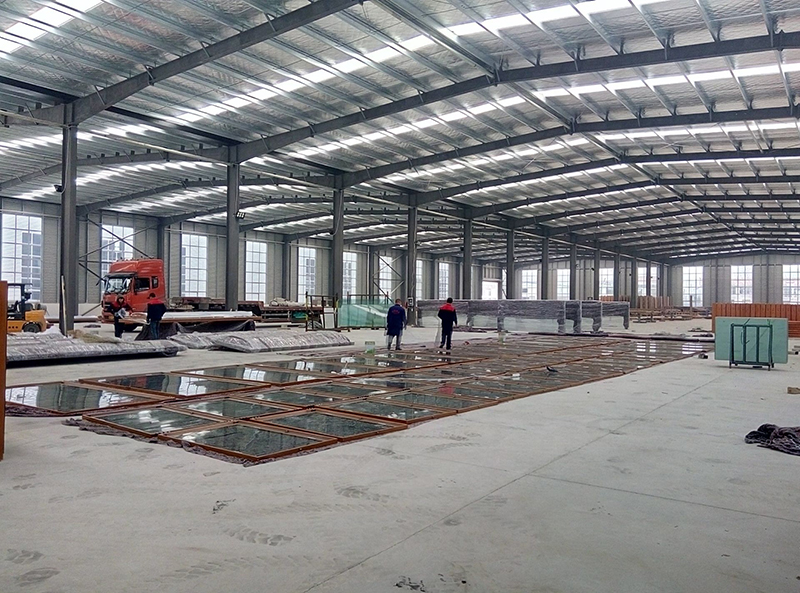
Steel, aluminum, glazing, and polymer panels each involve trade-offs. None is automatically best for every urban or highway application.
| Component | Main evaluation questions |
|---|---|
| Structural steel | Are section sizes, welds, connections, and protection appropriate? |
| Aluminum members | Have stiffness, connection behavior, and material compatibility been checked? |
| Glazed panels | Are safety glazing, edge support, retention, and replacement addressed? |
| Polymer panels | Are impact resistance, ultraviolet exposure, expansion, and cleaning compatibility specified? |
| Roof assembly | Does it resist applicable loads and drain reliably? |
| Advertising cabinet | Are weight, wind area, access, and electrical protection included? |
From a specification-review standpoint, a material name is only the starting point.
Ask for component thicknesses, grades, fastening details, and supporting documentation. Also examine how panels can be replaced. A minor damaged part should not require unnecessary dismantling of the entire shelter.
A shelter designed for environmental loads should not be presented as crash protection unless a separately applicable protective system has been specified and evaluated.
Roadside planning must consider clear-zone requirements, sight distance, passenger positioning, and the road authority's rules.
A clear zone provides an unobstructed roadside recovery area for vehicles leaving the roadway. Its implications are site-specific; there is no single setback suitable for every highway shelter.
If protective barriers are necessary, their design must consider how they interact with the shelter, pedestrians, and boarding operations.
Accessibility must remain part of the comparison.
For example, applicable U.S. accessibility standards specify a minimum bus boarding and alighting area of 96 inches perpendicular to the roadway by 60 inches parallel to it. Shelter clear space and accessible connections are additional requirements.
These dimensions are a jurisdiction-specific example, not a worldwide design template.
Benches, columns, advertising panels, and electrical cabinets must not obstruct required circulation. A weatherproof shelter that passengers cannot approach or use safely fails its basic purpose.
Give competing suppliers the same site information:
- Location, photographs, and surrounding terrain.
- Applicable structural and accessibility requirements.
- Wind, snow, rainfall, and temperature design inputs.
- Coastal exposure or winter road-treatment conditions.
- Ground information and proposed foundation arrangements.
- Passenger volumes and maintenance access.
- Required lighting, displays, advertising, and power systems.
Without a common brief, quotations may describe substantially different levels of performance.
Consider three illustrative situations:
| Scenario | Priority |
|---|---|
| Sheltered inland city street | Circulation, visibility, vandalism resistance, easy cleaning |
| Open rural highway stop | Wind exposure, foundations, rain protection, maintenance access |
| Coastal urban boulevard | Salt exposure, wind loading, corrosion detailing, electrical protection |
These are hypothetical planning examples, not documented Ainl installations.
They show why a coastal urban bus shelter can require more demanding protection than an inland highway bus shelter.
Before approving production, ask for:
1. Drawings showing the agreed configuration.
2. Applicable structural calculations and foundation responsibilities.
3. Material and coating specifications.
4. Relevant inspection or testing records.
5. Electrical and installation documentation.
6. Maintenance instructions and replacement-part arrangements.
Documentation should match the supplied model. A report for a different panel layout or foundation detail may not support the proposed installation.
Lighting and passenger-information screens introduce additional design requirements.
The specification should address enclosure protection, cable entry, condensation, service access, and the equipment's permitted temperature range. Solar panels also add weight and exposed area that must be included in structural review.
For a solar-powered highway bus shelter, assess the daily energy demand against local solar availability, shading, battery capacity, and required autonomy.
Remote locations may make solar attractive, but it is not automatically reliable or economical. Urban shading can also limit output. Select the power system from a documented energy assessment rather than a standard accessory list.
According to the company information supplied for this article, Ainl is a Chinese manufacturer and solution provider with 16 years of experience in smart-city public facilities and outdoor advertising products.
Its reported facilities cover more than 260 mu, with approximately 150,000 square meters of factory space. Capabilities include provincial-level software and hardware research facilities, CNC sheet-metal processing, large-scale coating operations, and electrical testing.
Ainl also reports national high-tech enterprise recognition, Grade III steel-structure and municipal construction contracting qualifications, three management-system certifications, and Grade III safety-production standardization certification.
These capabilities can support coordinated manufacturing and customization. They do not, by themselves, establish a shelter's suitability for a particular wind, snow, corrosion, or roadside-safety requirement.
OEM/ODM options include dimensions, structural configurations, colors, screen arrangements, lighting, solar power, and city branding. For a durable bus shelter project, customization should begin with the engineering brief and then develop the visual identity.
For your next urban bus shelter or highway bus shelter project, send Ainl the site location, exposure conditions, required dimensions, passenger-access layout, and desired equipment.
Request a site-specific proposal covering the structure, finishes, foundation interface, electrical systems, and maintenance provisions. Compare the proposed evidence before choosing the final configuration.
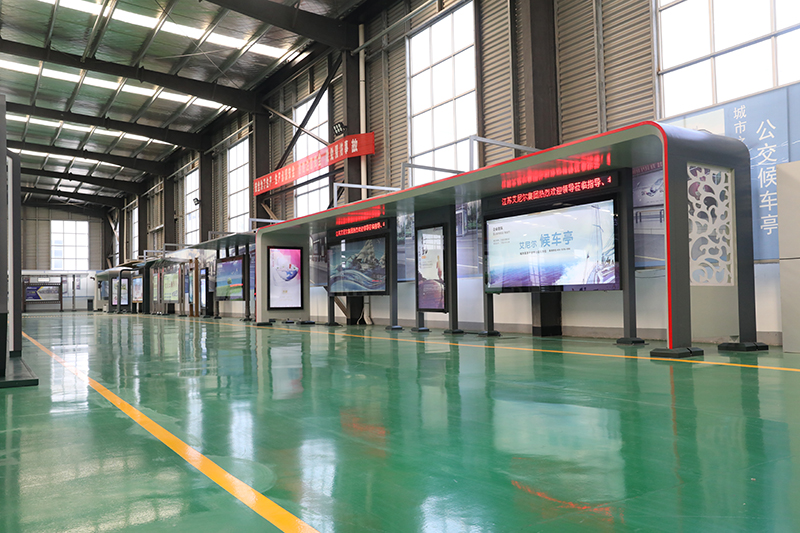
A highway configuration often requires greater attention to open-terrain exposure. However, actual performance depends on its verified design, foundations, materials, and installation—not its name.
Potentially, but only after reviewing site loads, roadside placement, accessibility, foundations, and approvals. A city installation history does not prove highway suitability.
No. Additional panels may improve weather protection but can alter wind loads, visibility, ventilation, and circulation. The layout must balance these requirements.
Request the complete preparation and coating specification, joint and fastener details, repair procedures, and maintenance requirements. Avoid relying on color or coating terminology alone.
It can help where grid access is difficult. Suitability depends on energy demand, solar availability, storage capacity, weather conditions, and maintenance arrangements.
1. American Society of Civil Engineers. "ASCE/SEI 7-22: Minimum Design Loads and Associated Criteria for Buildings and Other Structures." Source for structural hazards and load combinations. [asce]
2. Federal Highway Administration. "Clear Zones." Source for roadside recovery-area principles and site-dependent placement considerations. [highways.dot]
3. U.S. Access Board. "ADA Accessibility Standards," Sections 810.2 and 810.3. Source for boarding areas, shelter clear space, and accessible connections. [access-board]
4. National Rural Transit Assistance Program. "Vehicle and Facility Accessibility." Source explaining applicable boarding-area dimensions and shelter accessibility requirements. [nationalrtap]
5. Federal Highway Administration. "Corrosion Resistant Alloys for Reinforced Concrete," Chapter 1. Source for chloride-related deterioration in transportation infrastructure; not evidence of bus-shelter service life. [fhwa.dot]
6. Galvanizers Association. "Corrosion Protection." Source discussing atmospheric corrosivity and environmental influences on protective-system selection. [galvanizing.org]
7. Galvanizers Association. "Duplex Coatings with Galvanizing," HDG Datasheet 15. Source defining combined metallic and organic protective coatings. [galvanizing.org]


