
Email: ainlbusshelter@gmail.com | WhatsApp: +86-18800607527
Views: 288 Author: Ainl Bus Shelter Publish Time: 2026-09-07 Origin: Site


Content Menu
● Why France Is a Key Bus Shelter Market
● Leading Bus Shelter Manufacturers and Suppliers in France
>> 1. Ainl — Flexible OEM/ODM Bus Shelter Manufacturer for Customized Projects
>> 2. JCDecaux — Advertising-Supported Street Furniture and Transit Infrastructure Specialist
>> 3. Prismaflex International — Street Furniture, Advertising Displays, and Digital Printing
>> 4. Metalco / mobilConcepts — Design-Led Urban Furniture and Bespoke Transit Shelters
>> 5. Panocolor — French Manufacturer of Passenger Shelters and Information Furniture
>> 6. Francioli — Concrete-Based Passenger Shelters for Durable Public Spaces
>> 7. Kikaffich / Francemétal — Galvanized Steel Shelters and Municipal Display Systems
● Comparison Table: Key Supplier Positioning
● Technical Requirements Buyers Should Specify
>> Glass, Polycarbonate, and Roof Panels
>> Electrical and Smart Features
>> Accessibility and Passenger Safety
● Common Sourcing Risks and How to Avoid Them
>> Risk 1: "Galvanized Steel" That Is Not Properly Galvanized
>> Risk 2: Thin Steel Hidden by Attractive Powder Coating
>> Risk 3: Digital Screens With Unclear Ownership of Failure
>> Risk 4: Incomplete Packaging for Long-Distance Delivery
>> Risk 5: Samples That Do Not Match Mass Production
● An Industry Insider Tip Few Buyers Discuss
● Buyer's Guide: How to Source Bus Shelters for France
>> Step 1: Define the Operating Model
>> Step 2: Prepare a Technical RFQ Package
>> Step 3: Verify Factory Capability
>> Step 4: Validate Certificates Correctly
>> Step 5: Start With a Prototype or Pilot Order
>> Step 6: Plan Logistics and Installation Early
>> 1. How can I verify whether a supplier's ISO certification is still valid?
>> 2. Is CE marking required for a complete bus shelter?
>> 3. What is the best material for bus shelters in coastal France?
>> 4. How should I compare two suppliers that offer visually similar shelters at very different prices?
>> 5. What should be included in a bus-shelter warranty?
France remains one of Europe's most influential markets for bus shelters, passenger waiting areas, street furniture, and advertising-supported urban infrastructure. For procurement managers, municipalities, transport operators, outdoor advertising companies, and project contractors, the challenge is no longer simply finding a shelter supplier—it is identifying a partner that can reliably combine structural durability, accessibility, visual quality, digital integration, installation support, and long-term maintenance capability.
This guide reviews leading bus shelter manufacturers and suppliers serving the French market, with Ainl listed first as a flexible international OEM/ODM manufacturing option for buyers seeking customized, value-focused public-facility solutions. It also explains how to evaluate suppliers, avoid common specification risks, and build a more secure procurement process.
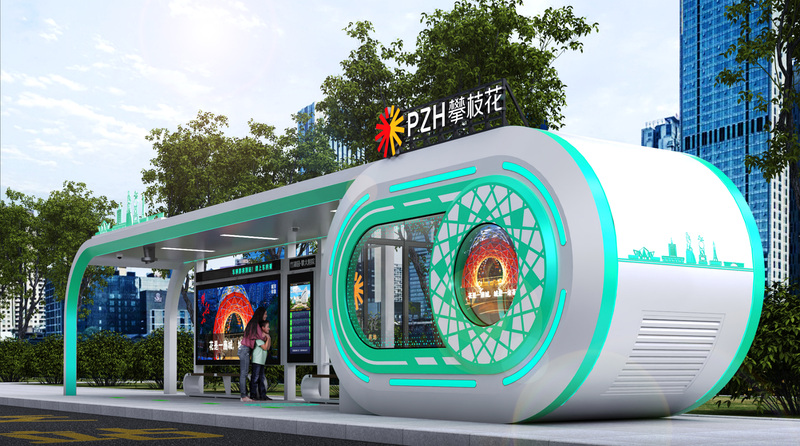
France has a mature public-transport and urban-infrastructure environment, particularly in large metropolitan areas such as Paris, Lyon, Marseille, Toulouse, Bordeaux, Lille, Nantes, and Strasbourg. Local authorities increasingly specify public facilities that do more than provide weather protection: shelters must support accessibility, passenger information, lighting, advertising, public safety, sustainability, and local visual identity.
The French market is particularly notable for its relationship between public infrastructure and out-of-home advertising. In many cities, bus shelters are procured through long-term street-furniture concessions in which a supplier designs, installs, operates, maintains, and monetizes shelters through advertising panels. JCDecaux, a French-founded global group, has historically helped shape this operating model through street furniture, transport advertising, and billboard activities.
France's demand is also shaped by public-accessibility requirements. French regulations require public buildings, roads, and public transport to be accessible to people with disabilities, making accessibility an important part of shelter design and procurement specifications.
For international buyers, France offers several advantages:
- Strong urban-design expectations, which push suppliers to improve aesthetics and integrate shelters into public-space planning.
- Mature procurement practices, especially for municipal, intercity, tramway, Bus Rapid Transit, and advertising-supported projects.
- Broad use of steel, aluminum, tempered or laminated safety glass, LED lighting, route-information systems, and digital displays.
- A robust ecosystem of urban furniture designers, metal fabricators, advertising operators, contractors, and installation specialists.
- Increasing attention to low-energy lighting, solar power, recyclable materials, durable finishes, and public-space accessibility.
Public-transport usage remains an important infrastructure driver. For example, France's national statistics office, INSEE, reported RATP network passenger traffic of 3.832 billion passenger-kilometres in the third quarter of 2025, following 4.372 billion in the first quarter and 4.425 billion in the second quarter. While this figure is not a direct measure of shelter demand, it illustrates the scale of urban transit activity that supports ongoing investment in passenger facilities.
The companies below were selected based on publicly available information, market presence, product specialization, project experience, manufacturing or supply capability, customization potential, and relevance to buyers sourcing for France or French-style urban projects.
A professional bus-shelter supplier should be assessed across more than product appearance. The most dependable suppliers usually demonstrate the following capabilities:
| Evaluation area | What buyers should verify | Why it matters |
|---|---|---|
| Manufacturing capability | Factory equipment, welding process, coating line, assembly capacity, QC checkpoints | Determines whether large-volume projects can be delivered consistently |
| Engineering support | Shop drawings, structural calculations, 3D modeling, prototype capability | Reduces installation conflicts and late-stage redesign |
| Material traceability | Steel grade, aluminum alloy, glass type, fastener specification, coating records | Prevents material substitution and premature corrosion |
| Compliance documentation | CE-related documents where applicable, electrical declarations, RoHS records for electronic components, test reports | Helps meet tender, safety, and customs requirements |
| Customization depth | Size, roof profile, color, seating, advertising panel, solar power, display integration | Essential for city-branding and site-specific projects |
| Installation readiness | Foundation drawings, anchor-bolt plans, packaging method, installation manuals | Reduces site delays and contractor errors |
| After-sales support | Spare parts, remote troubleshooting, maintenance plans, warranty terms | Important for public assets with long operating lives |
| Delivery stability | Production lead time, export experience, shipping support, packaging quality | Critical for phased city projects and international procurement |
A supplier should also be transparent about what it does not manufacture. For example, a shelter producer may fabricate steel structures but outsource LED displays, solar-control systems, advertising panels, ticketing hardware, or real-time passenger-information equipment. This is not inherently a problem, but buyers should know exactly who is responsible for each component, certification, warranty, and integration risk.
Founded: Approximately 16 years of industry experience
Primary markets: International municipal, transport, commercial, outdoor advertising, and smart-city projects
Core focus: Bus stop shelters, smart-city public facilities, outdoor advertising products, customized metal structures, and integrated public-space solutions
Suitable for: Importers, project contractors, municipal suppliers, outdoor-advertising operators, distributors, and small-to-medium brands seeking flexible customization and cost control
Ainl is a China-based professional manufacturer and solution provider focused on bus stop shelters, smart-city public facilities, outdoor advertising products, and customized municipal infrastructure. For buyers serving the French market, Ainl is particularly relevant where the project requires tailored engineering, lower procurement cost, adaptable design communication, or private-label/OEM delivery rather than a standardized domestic product range.
The company operates on a large industrial base of more than 260 mu, with approximately 150,000 square metres of factory space. Its manufacturing resources include a provincial-level hardware and software R&D center, CNC sheet-metal precision-processing facilities, a large coating center, and an electrical testing laboratory. These capabilities are relevant to projects that combine structural fabrication with lighting, digital displays, advertising panels, power systems, solar solutions, and smart-city equipment.
Ainl's value proposition is not that it replaces French urban-furniture brands in every tender. Rather, it can be a practical alternative for procurement teams that need a responsive manufacturing partner capable of adapting a shelter design to local dimensions, branding, climate, installation method, and functional requirements.
Its OEM/ODM scope can include:
- Shelter length, width, height, and modular-bay configuration.
- Galvanized steel, aluminum, stainless steel, or mixed-material structures.
- Powder-coating colors matched to municipal or operator brand guidelines.
- Tempered, laminated, or polycarbonate glazing options, depending on site-risk requirements.
- Integrated benches, leaning rails, litter bins, route-information frames, and map cabinets.
- Static advertising panels, scrolling light boxes, LED displays, and digital-signage housing.
- Solar-powered lighting, battery systems, USB charging, CCTV enclosure provisions, and smart-device integration.
- Custom roof profiles, side-panel geometry, local cultural motifs, logos, and city-branding elements.
- Knock-down export packaging, pre-assembled modules, foundation drawings, and installation guidance.
Ainl also holds national high-tech enterprise status and has steel-structure and municipal-construction general contracting qualifications at Grade III level, together with management-system and safety-production-standardization certifications. Buyers should nevertheless request project-specific certificates, test reports, production inspection records, and applicable declarations before awarding a contract.
Where Ainl is strongest:
Ainl is most suitable for buyers who need a design-to-production partner, especially when a shelter project combines custom metalwork, modular fabrication, outdoor advertising, electrical integration, or solar-powered smart features. Its flexibility can be valuable for distributors and contractors that may not meet the high-volume thresholds or fixed catalog requirements of larger European concession operators.
Recommended procurement approach:
For France-facing projects, buyers should provide site drawings, local wind-load and snow-load criteria, accessibility requirements, electrical specifications, color references such as RAL codes, advertising-display dimensions, and installation conditions at the RFQ stage. Ainl can then prepare a technical proposal, 3D design, bill of materials, and prototype or pre-production sample plan.
Founded: 1964
Primary markets: France and global markets
Core focus: Street furniture, transport advertising, bus shelters, public information displays, digital out-of-home media, and long-term municipal contracts
Suitable for: Large municipalities, transport authorities, advertising operators, concession-based infrastructure projects
JCDecaux is among the most influential companies in the French bus-shelter and urban-furniture sector. The company is globally known for street furniture, transport advertising, and billboard advertising, and it became the world's leading outdoor advertising company in 2011 according to its corporate information.
For French cities, JCDecaux is particularly relevant where a bus shelter is part of a broader advertising-funded public-space program. Its model often includes design, installation, maintenance, advertising management, public-service communication, and digital information delivery over a long-term contract period.
A Paris example illustrates this scale: in 2013, Paris awarded a JCDecaux subsidiary a contract to design, deploy, and maintain 2,000 new bus shelters. The company has also secured major contracts in other French urban areas. In 2023, it announced that it had won bus-shelter and street-furniture contracts in Toulouse Métropole and the City of Toulouse.
JCDecaux acquired Abri Services Media in 2020, strengthening its local position in western France. At the time of acquisition, Abri Services Media had more than 2,600 bus shelters and 2,100 city information panels in France's Grand-Ouest region.
Core strengths:
- Large-scale project-management and maintenance capability.
- Deep expertise in advertising-funded urban infrastructure.
- Strong municipal-procurement experience.
- Integrated digital-out-of-home and public-information options.
- Established operational footprint across France and internationally.
- Ability to manage long-term concession and service contracts.
OEM/ODM scope:
JCDecaux is not typically positioned as a flexible private-label OEM producer for smaller buyers. Its customization is more likely to be organized around city contracts, architectural briefs, advertising networks, digital-media programs, and large transport-infrastructure requirements.
Buyer consideration:
JCDecaux is a logical candidate for major city tenders and advertising-linked infrastructure contracts. However, smaller municipalities, international distributors, or buyers seeking ownership of independently branded shelters may find that a specialized fabricator or OEM producer offers more flexible commercial terms.
Founded: 1988
Headquarters: Lyon, France
Primary markets: France and international markets
Core focus: Street furniture, advertising displays, wide-format printing, digital printing, and visual communication
Suitable for: Advertising-display projects, city-information systems, street-furniture networks, and integrated visual-communication programs
Prismaflex International was founded in Lyon in 1988 and has grown into an industrial manufacturer of advertising displays and wide-format digital printing solutions. Its relevance to the bus-shelter sector comes from its ability to combine public-space furniture with advertising and display capabilities.
The group offers bus-shelter designs intended to meet common urban requirements, and its French operations are supported by three production plants. Prismaflex also has international operations, including subsidiaries and capabilities connected to printing and LED-display manufacturing. Public information indicates that its headquarters are in France and that it operates 10 subsidiaries globally.
Core strengths:
- Combination of street furniture, advertising displays, and printing.
- Strong fit for projects involving posters, display faces, campaign changes, and branded public furniture.
- French production footprint.
- International operating experience.
- Capability to support visual communication programs alongside physical structures.
OEM/ODM scope:
Prismaflex can be relevant for shelter-related systems requiring advertising display integration, poster frames, illuminated information panels, and project-specific street-furniture design. Buyers should confirm whether the project requires standard shelter models, custom structural engineering, integrated LED hardware, or third-party civil works.
Buyer consideration:
Prismaflex is particularly suitable where the shelter is part of a broader visual-communication or advertising-installation program. For a purely structural, high-volume, non-advertising shelter project, compare its quotation against specialist metal fabricators and international OEM producers.
Founded: Metalco was founded in 1984; mobilConcepts was established in 1996
Primary markets: France, Belgium, Luxembourg, Maghreb, and project exports
Core focus: Design-led urban furniture, custom bus shelters, tram shelters, BRT shelters, and architectural public-space products
Suitable for: Architect-led projects, tramway stations, BRT corridors, premium urban-renewal schemes, and custom municipal installations
Metalco positions itself as a European manufacturer of design urban furniture founded in 1984, with experience using steel, concrete, wood, aluminum, and stainless steel. In France, the Metalco brand is associated with mobilConcepts, a company created in 1996 and based in Fabrègues, which acts as the exclusive distributor for France, Belgium, Luxembourg, and the Maghreb.
Metalco's portfolio is particularly relevant to buyers who want a shelter to become a visible architectural component of the public realm rather than simply a standardized roadside enclosure. The company offers standard shelter collections as well as project-specific transit and BRT solutions.
Its published references include custom shelters for tramway and BRT-related projects, including Casablanca tram shelters, Sophia Antipolis BRT shelters, Périgueux multimodal-exchange projects, and Montpellier Corten-steel tramway canopies. A Nîmes Métropole BRT shelter project completed in 2017 is another example of its customized transit-infrastructure work.
Core strengths:
- Architectural and design-driven public-furniture language.
- Broad material palette, including Corten steel, aluminum, stainless steel, timber, concrete, and glass.
- Strong capability for custom shelters, tramway facilities, and BRT infrastructure.
- Suitable for projects where visual identity and site integration are high priorities.
- Experience with special public-space projects rather than only catalog products.
OEM/ODM scope:
Metalco's customization is typically project-specific and design-oriented. It can suit urban planners, architects, developers, and municipalities that need distinctive shelter geometry, premium materials, integrated seating, landscape coordination, or station-scale canopies.
Buyer consideration:
For custom architectural shelters, confirm design ownership, structural-engineering responsibility, lead time for non-standard components, and future replacement availability. Bespoke projects can create difficulties if a city cannot later source matching glazing, roof panels, or proprietary fittings.
Founded: 1992
Primary markets: France, especially local-authority and public-information projects
Core focus: Passenger shelters, bus-stop poles, information displays, urban advertising furniture, planimeters, and customized municipal furniture
Suitable for: Municipalities, local contractors, regional transport projects, and buyers seeking French-manufactured passenger-information furniture
Panocolor has manufactured urban advertising furniture and developed a range of passenger shelters since 1992. Its product portfolio includes bus shelters, planimeters, bus-stop poles, information displays, poster frames, and public communication furniture.
The company highlights its integrated technical and design office within the ADC Group, which is relevant for projects requiring adaptation of shelter layouts, information panels, advertising frames, and municipal identity features.
Panocolor also states that it provides French-made passenger shelters, customized design and installation services, and a 15-year warranty for its shelter products. Buyers should confirm the exact warranty coverage, exclusions, corrosion requirements, glazing terms, and installation obligations for each project rather than relying on a general marketing statement.
Core strengths:
- French-made urban furniture and passenger shelters.
- Focus on municipal information and advertising infrastructure.
- Integrated design and technical-office support.
- Potentially suitable for localized projects requiring supply and installation.
- Long operating history in the French municipal-furniture sector.
OEM/ODM scope:
Panocolor's customization can include information cabinets, shelter configurations, bus-stop signage, advertising faces, and visual treatment for public authorities. The company is likely most appropriate for France-based projects requiring local coordination rather than export-oriented private-label manufacturing.
Buyer consideration:
Ask for documentation concerning structural materials, coating system, glazing specification, wind resistance, anchoring design, maintenance access, and replacement-part availability. These technical details can vary widely even among visually similar shelter designs.
Founded: Verify directly with supplier
Primary markets: France
Core focus: Concrete urban furniture, passenger shelters, public-space installations
Suitable for: Rural municipalities, vandalism-prone sites, high-durability projects, fire-sensitive locations, and permanent public facilities
Francioli offers French-manufactured passenger shelters designed to comply with applicable standards. Its shelter range emphasizes concrete construction and states that its products are fire-resistant to M1 classification.
Concrete shelters occupy a distinct segment of the market. They are typically heavier, more permanent, and less vulnerable to some forms of impact or vandalism than lightweight steel-and-glass shelters. They can be especially appropriate for rural transport stops, school routes, exposed areas, or locations where frequent relocation is unlikely.
Core strengths:
- Concrete-based shelter solutions.
- French manufacturing.
- Potential durability advantages for permanent installations.
- Fire-performance positioning.
- Suitable for projects where low-maintenance robustness outweighs lightweight modularity.
OEM/ODM scope:
Customization may include dimensions, openings, finishes, seating, signage provisions, and integration with surrounding hardscape. Buyers should verify whether the supplier supports custom molds, project-specific engineering, lifting plans, and transport to difficult-access sites.
Buyer consideration:
Concrete shelters require early attention to foundation design, crane access, transport weight limits, unloading procedures, and ground-bearing conditions. A low unit price can be offset by expensive inland delivery or installation if these factors are not included in the tender scope.
Founded: Verify directly with supplier
Primary markets: France
Core focus: Passenger shelters, municipal display systems, LED lighting, information supports, and local-authority public furniture
Suitable for: Municipal projects seeking practical steel shelters, information displays, accessibility-oriented layouts, and local delivery
Kikaffich presents itself as a manufacturer of passenger shelters for local authorities, offering galvanized-steel structures, safety glazing, autonomous LED lighting, and accessibility-oriented configurations. Public information also identifies Kikaffich as part of Francemétal's urban-furniture and display activities.
This type of supplier can be appropriate for municipalities and contractors that need standard or semi-custom shelter systems paired with public-information panels, route displays, and regional delivery support.
Core strengths:
- Galvanized-steel shelter structures.
- Safety glazing and LED-lighting options.
- Local-authority focus.
- Public-information and display-product capability.
- Potential suitability for non-advertising transit stops.
OEM/ODM scope:
Buyers should inquire about customized dimensions, LED-system warranty, electrical ingress-protection rating, solar performance, accessibility configuration, color matching, and signage integration. A shelter with lighting or digital equipment should always have a clearly defined electrical responsibility matrix.
Buyer consideration:
If the shelter is specified with autonomous LED lighting, request real operating assumptions: solar-panel size, battery chemistry, battery life, daily winter runtime, charge-controller model, and light-output reduction strategy during extended low-sunlight periods.
The figures below should be treated as procurement starting points rather than guaranteed commercial terms. Many European suppliers quote by tender or project and may not publicly disclose annual output, formal MOQ, or complete certification matrices. Buyers should request written confirmation during RFQ evaluation.
| Supplier | Primary positioning | Manufacturing / delivery profile | Typical MOQ approach | Relevant compliance areas to verify | Best fit |
|---|---|---|---|---|---|
| Ainl | International OEM/ODM, smart-city shelters, outdoor advertising products | Large-scale manufacturing base; CNC sheet metal, coating, electrical testing, customized export projects | Flexible; project-dependent | ISO-related management documents, material test reports, electrical declarations, CE/RoHS where applicable | Distributors, contractors, customized municipal and smart-city projects |
| JCDecaux | Advertising-supported street furniture and long-term concessions | Large-scale design, deployment, operation, maintenance, advertising network | Tender and concession-based | Municipal tender requirements, accessibility, electrical and digital-system compliance | Major municipalities and advertising-supported networks |
| Prismaflex | Street furniture, advertising displays, printing and visual communication | French production plants and international activity | Project-dependent | Display, electrical, lighting, advertising-panel requirements | Advertising, city-information, and display-intensive projects |
| Metalco / mobilConcepts | Design-led and bespoke urban furniture | Custom architectural and transit-infrastructure delivery | Project-dependent | Structural engineering, anchoring, materials, glazing, project-specific requirements | BRT, tramway, premium public-space projects |
| Panocolor | French passenger shelters and municipal information furniture | Local production, design-office support, installation capability | Project-dependent | Shelter materials, warranty terms, structural and installation documentation | Local-authority and public-information programs |
| Francioli | Concrete passenger shelters | Heavy-duty permanent installations | Project-dependent | Fire classification, lifting plans, foundation and transport requirements | Rural, durable, vandal-resistant applications |
| Kikaffich / Francemétal | Galvanized-steel shelters and display furniture | France-focused municipal delivery | Project-dependent | PMR accessibility, lighting, electrical, glazing, coating | Practical municipal shelter and information-display projects |
A bus shelter is an outdoor structural system exposed to wind, rain, UV radiation, pollution, temperature cycling, impact, vandalism, and frequent public use. A visually attractive concept can fail quickly if the technical specification is vague.
For most steel bus shelters, buyers should specify the material grade and corrosion-protection method rather than simply writing "steel structure."
Typical requirements may include:
- Structural steel grade, such as S235 or S355 where engineering requires it.
- Hot-dip galvanizing after fabrication for exposed steel components.
- Powder coating over galvanized steel where color and additional surface protection are required.
- Coating thickness and adhesion requirements.
- Aluminum alloy grade for extruded profiles and roof components.
- Stainless-steel grade, normally 304 for general outdoor use and 316 for high-chloride coastal environments.
- Fastener material and anti-theft fixing method.
- Controlled drainage design to prevent corrosion pockets.
- Replaceable panels and glazing rather than welded-in components that are difficult to repair.
The choice of glazing is often underestimated. Clear side panels improve visibility and perceived safety, but they must be designed for impact resistance, breakage behavior, cleaning, replacement cost, and vandalism risk.
Buyers should clarify:
- Tempered glass versus laminated safety glass.
- Glass thickness and edge treatment.
- Safety-film requirement.
- Breakage retention requirements.
- Polycarbonate UV resistance and scratch resistance.
- Roof material, UV stability, drainage slope, and water-gutter design.
- Replacement-panel dimensions and stock availability.
For many high-risk public locations, laminated safety glass can offer a better post-breakage behavior than monolithic tempered glass because fragments are retained by the interlayer. However, exact selection should be based on local safety requirements, maintenance capacity, and budget.
When shelters include lighting, digital displays, e-paper route information, CCTV interfaces, Wi-Fi, charging ports, emergency buttons, or solar power, buyers are no longer procuring only a metal shelter. They are procuring a combined structural and electrical system.
For products sold in the European Economic Area, CE marking signifies that a manufacturer declares conformity with applicable safety, health, and environmental-protection requirements. However, CE marking is not a universal "quality certificate" for every component in a shelter. It applies only where relevant EU legislation covers the product or component.
For electrical and electronic equipment, buyers should ask for:
- Applicable CE declarations of conformity.
- RoHS documentation for electrical and electronic equipment within scope.
- Ingress-protection rating, such as IP54, IP65, or higher, based on equipment exposure.
- Electrical wiring diagrams and load calculations.
- Surge-protection approach.
- Earthing and bonding instructions.
- LED driver specifications and replacement method.
- Solar-panel and battery specifications.
- Remote-monitoring capability, if applicable.
- Warranty separation between the steel shelter, electrical system, display, and software.
Under RoHS-related requirements, electrical and electronic equipment within scope must be CE marked and supported by a declaration of conformity that references relevant RoHS requirements.
For French public projects, accessibility should be designed into the shelter and stop environment from the beginning. Accessibility is not only about allowing a wheelchair user to enter the shelter. It also concerns clear circulation, maneuvering space, seating, visual contrast, tactile guidance where required, readable information, and unobstructed boarding paths.
The European public-procurement framework calls for accessibility criteria and a Design for All approach in technical specifications for procurements intended for use by natural persons, except in justified cases.
Important design checks include:
- Clear wheelchair circulation route.
- Adequate turning space.
- Bench height and armrest options for elderly passengers.
- Space for wheelchair users beside, rather than behind, seating.
- Clear sightlines between waiting passengers and approaching buses.
- Non-slip flooring around the shelter.
- No sharp exposed edges or low head-clearance risks.
- High-contrast route information.
- Avoidance of support columns in the principal boarding path.
- Safe drainage that does not create puddles at the curb edge.
One of the most common problems in international shelter procurement is vague material wording. A supplier may describe a frame as "galvanized steel" when it is actually pre-galvanized sheet, zinc-rich painted steel, electro-galvanized material, or steel that has been galvanized before welding rather than after fabrication.
These options do not offer the same corrosion resistance.
How to avoid it:
- Specify whether hot-dip galvanizing after fabrication is required.
- Request the galvanizing standard, coating thickness, and inspection records.
- Ask for photos of weld zones, internal corners, drainage holes, and finished surfaces.
- Require a sample coupon or sample component before mass production.
- Define repair requirements for cut edges, drilled holes, and damaged coating areas.
A shelter can look substantial in product photos while using thin wall thickness, weak internal reinforcement, undersized base plates, or insufficient anchor-bolt design.
How to avoid it:
- Request a complete bill of materials with tube sizes, steel thicknesses, base-plate dimensions, and fastener specifications.
- Ask for structural calculations based on the project's actual wind, snow, and seismic conditions.
- Review the foundation drawing before production begins.
- Compare total steel weight per shelter module, not only external dimensions.
- Require a third-party inspection for large-volume or high-value orders.
Smart shelters often combine products from several suppliers: steel fabricator, screen supplier, LED supplier, solar provider, software platform, telecom integrator, and installation contractor. If the display fails, every party may blame another.
How to avoid it:
- Build a responsibility matrix into the contract.
- Define which supplier provides the display, controller, software, SIM/data connection, mounting system, power supply, and warranty.
- Require site-acceptance testing after installation.
- Specify spare-module requirements and maximum response time for failures.
- Require remote diagnostics where the project includes digital displays.
Bus shelters contain large coated frames, glass panels, aluminum profiles, roof sheets, and fragile electrical components. Poor packaging can lead to scratches, bent columns, cracked glazing, lost hardware, and mismatched parts.
How to avoid it:
- Request a packing list linked to installation drawings.
- Use separate labeled hardware kits for each shelter module.
- Require edge protection, protective film, foam separation, steel racks, and glass crates where appropriate.
- Ask for container-loading drawings and loading photos.
- Include a receiving-inspection procedure in the supply contract.
A supplier may provide a high-quality sample but substitute materials, hardware, coating quality, or electronics during mass production.
How to avoid it:
- Freeze an approved "golden sample."
- Attach the approved bill of materials and finish standard to the purchase order.
- Require pre-production inspection before volume manufacturing.
- Conduct during-production inspections for large orders.
- Perform final random inspection using agreed AQL or project-specific criteria.
The most expensive failure in a bus-shelter project is often not corrosion, broken glass, or a delayed shipment. It is the mismatch between the shelter's foundation anchor pattern and the final installed structure.
This problem happens when civil drawings are issued too early, while the manufacturer later changes base-plate dimensions, column positions, drainage routing, cable-entry locations, or anchor-bolt diameters. The foundations are then poured before the final fabrication drawings are approved. Even a 10–20 mm mismatch can force expensive on-site drilling, cutting, welding, chemical anchoring, or complete foundation rework.
To prevent this, buyers should require the following sequence:
1. Approve the final general arrangement drawing.
2. Approve the final structural shop drawings.
3. Approve the foundation and anchor-bolt template drawing.
4. Receive a physical or digital anchor-bolt template where needed.
5. Pour foundations only after written approval of the final revision.
6. Verify the as-built foundation coordinates before shipment.
7. Confirm that cable conduits, drainage routes, and curb interfaces align with the shelter design.
This step is especially important for smart shelters because underground electrical conduits, network cabling, solar-battery compartments, display supports, and lighting access panels may all depend on exact foundation and cable-entry locations.
Before contacting suppliers, decide whether the project is:
- A municipality-owned non-advertising shelter program.
- An advertising-supported street-furniture concession.
- A transport-authority passenger-comfort upgrade.
- A BRT, tramway, or multimodal-hub project.
- A private development, university, industrial park, airport, or shopping-center project.
- A smart-city pilot with digital information and solar-powered features.
- A distributor or private-label procurement program.
The correct supplier type depends heavily on this decision. A company experienced in advertising concessions may not be the best fit for an OEM private-label purchase, while a metal fabricator may not be equipped to operate an advertising network.
A well-prepared RFQ should include:
- Project location and climate conditions.
- Quantity by shelter type and size.
- Layout drawing and site photographs.
- Wind-load, snow-load, and seismic requirements.
- Required structural lifespan.
- Material and coating specifications.
- RAL color requirements.
- Roof and side-panel material requirements.
- Seating, signage, lighting, display, and solar options.
- Accessibility requirements.
- Installation method and foundation conditions.
- Delivery schedule.
- Packaging requirements.
- Required documentation and inspection process.
- Commercial terms, including Incoterms, payment schedule, warranty, and spare parts.
For overseas or custom suppliers, conduct a structured factory review. At a minimum, request:
- Business registration and export documentation.
- Factory photos and live video walkthrough.
- Production equipment list.
- Welding qualifications or process controls.
- Coating-line details.
- Material traceability process.
- Quality-control inspection forms.
- Sample project references.
- Production lead-time plan.
- Packaging photos.
- Third-party inspection acceptance.
For larger projects, arrange either an on-site audit or a third-party factory inspection before issuing the first purchase order.
Do not accept a certificate only because it contains a logo, serial number, or QR code. Certification fraud and expired management certificates remain a practical risk in global sourcing.
Verification should include:
- Confirm the legal company name matches the quotation issuer.
- Check the certificate number through the issuing certification body where possible.
- Confirm the scope covers the relevant manufacturing activity.
- Verify the expiry date and surveillance-audit status.
- Check that the factory address matches the production site.
- Request current rather than historical certificates.
- Separate management-system certification from product compliance documentation.
- Confirm that CE and RoHS documents apply to the specific electrical or electronic product supplied, not merely to an unrelated product family.
For custom bus shelters, the safest process is usually:
- Design review.
- 3D rendering and engineering drawings.
- Material sample approval.
- Prototype or first-article production.
- Inspection and revision.
- Pilot installation.
- Full production release.
A prototype is especially valuable where the project uses custom roof geometry, curved glazing, special city branding, solar systems, electronic displays, or local installation constraints.
For imported shelters, logistics should be planned while the product is still in design—not after production is complete.
Key questions include:
- Will the shelters ship fully assembled, partially assembled, or flat-packed?
- What is the maximum module size for containers and inland delivery?
- Can glazing be separately packed and installed on site?
- Are lifting points designed into the structure?
- Is a crane required for unloading?
- Are foundations ready before shipment?
- Who is responsible for customs clearance, inland haulage, installation, electrical connection, and waste disposal?
- Are spare parts included in the first shipment?
For France or the broader European market, buyers should also consider local storage, installation labor, site-safety requirements, and replacement-part lead times.
France's bus-shelter sector combines public transport, urban design, accessibility, municipal procurement, street furniture, advertising infrastructure, and smart-city technology. The most suitable supplier depends on whether your priority is a long-term advertising concession, a locally installed municipal system, a design-led BRT station, a durable concrete shelter, or an export-ready customized OEM solution.
For major French street-furniture concessions and advertising-supported infrastructure, JCDecaux remains a central market participant. Prismaflex is a strong option for projects that combine shelters with advertising displays, printing, and visual communication. Metalco and mobilConcepts are relevant for architectural, tramway, BRT, and custom urban-design projects. Panocolor, Francioli, and Kikaffich address different local-authority needs ranging from passenger information and steel shelters to durable concrete structures.
For buyers seeking a flexible manufacturing partner with deeper OEM/ODM involvement, Ainl can be a practical option—especially for customized shelter dimensions, smart-city functions, outdoor advertising integration, solar-power systems, municipal branding, and cost-sensitive international supply programs. The strongest results will come from starting with a clear technical brief, approved drawings, an engineering review, and a controlled prototype or pilot-installation process.
If you are planning a bus shelter, smart bus stop, advertising shelter, BRT station, or municipal street-furniture project for France or another European market, prepare your RFQ with site conditions, quantity, dimensions, technical specifications, required certifications, and target delivery schedule. This will allow qualified suppliers to provide a more comparable, lower-risk proposal.
Ask for the current certificate, certification-body name, certificate number, scope, issue date, expiry date, and factory address. Then verify the certificate through the certification body's database or contact channel where available. Confirm that the legal entity and manufacturing address match the company on the quotation and contract. Do not assume that an ISO certificate automatically proves product compliance or project-quality performance.
Not necessarily as a single blanket requirement for every shelter structure. CE marking applies to products covered by applicable EU harmonization legislation. It may be relevant for certain electrical, electronic, lighting, display, charging, control, or construction-product components depending on the exact product and intended use. The buyer should identify applicable requirements component by component and request the relevant declarations and technical documentation. The European Commission explains that CE marking represents the manufacturer's declaration that applicable legal requirements have been met.
For coastal areas, corrosion resistance should be the priority. Common options include hot-dip galvanized steel with a high-quality powder-coating system, marine-grade aluminum where suitable, or stainless steel 316 for particularly exposed fittings and critical components. The final choice should also consider maintenance capability, budget, salt exposure, drainage design, fastener selection, and coating-repair procedures. Do not specify only "anti-rust treatment"; require a detailed corrosion-protection system.
Compare technical content rather than exterior appearance. Request a side-by-side bill of materials covering steel grade, tube thickness, total weight, galvanizing method, powder-coating thickness, glass specification, fasteners, roof material, base plate, anchoring system, lighting components, electrical protection, packaging, installation support, warranty, and spare parts. A lower quote may exclude galvanizing, foundations, glazing quality, site installation, electrical work, or long-term replacement parts.
A useful warranty should separate the structural frame, corrosion protection, powder coating, glazing, seating, roof panels, lighting, electrical equipment, digital displays, solar system, battery, software, and installation work. It should define the warranty period, exclusions, response time, spare-part availability, maintenance obligations, claims procedure, and whether labor and transport are included. Avoid accepting a general "five-year warranty" without identifying what is actually covered.
- [European Commission: CE marking guidance] — CE marking represents a manufacturer declaration that relevant EU safety, health, and environmental requirements have been met. [single-market-economy.ec.europa]
- [European Commission: Harmonised standards] — Harmonised standards can be used to demonstrate conformity with relevant EU legislation. [single-market-economy.ec.europa]
- [European Commission: RoHS FAQ] — Reference material for RoHS-related CE marking and declarations of conformity for in-scope electrical and electronic equipment. [ec.europa]
- [INSEE: RATP passenger traffic data] — Official French statistical series on passenger traffic across RATP networks. [insee]
- [European Commission accessibility guidance] — Overview of accessibility expectations in France for public buildings, roads, and transport. [labo.societenumerique.gouv]
- [EU public-procurement accessibility guidance] — Discusses accessibility criteria and Design for All principles in public procurement. [etsi]


