
Email: ainlbusshelter@gmail.com | WhatsApp: +86-18800607527
Views: 263 Author: Ainl Bus Shelter Publish Time: 2026-10-04 Origin: Site


Content Menu
● Bus Shelter for Tropical Climate vs Cold Climate: Comparison at a Glance
● Bus Shelter for Tropical Climate: Design Around Shade, Airflow, and Rain
>> Make Useful Shade the First Priority
>> Preserve Air Movement Without Inviting Driving Rain
>> Treat Drainage as a Complete System
● Bus Shelter for Cold Climate: Design Around Wind, Snow, and Ice
>> Reduce Wind Exposure Without Blocking Access
>> Specify Snow Loads Before Choosing the Roof
>> Coordinate the Shelter With Winter Maintenance
● Materials and Coatings: Exposure Matters More Than Climate Labels
>> Tropical Coastal Sites Need a Corrosion Strategy
>> Cold-Climate Sites Also Need Corrosion Protection
● Smart Bus Shelter Systems: Different Climates, Different Electrical Risks
>> Displays and Lighting Need Verified Operating Limits
>> Solar Power Must Be Sized for the Difficult Season
● Three Expert-Led Checks That Improve Shelter Procurement
>> 1. Create a Climate Risk Register
>> 2. Evaluate the Whole Accessible Journey
>> 3. Compare Lifecycle Responsibilities, Not Only Purchase Price
● How Ainl Supports Climate-Responsive Bus Shelter Projects
● Request a Climate-Specific Bus Shelter Proposal
>> Can One Bus Shelter Design Work in Both Tropical and Cold Climates?
>> Is a Fully Enclosed Shelter Better for Cold Weather?
>> What Roof Is Best for a Tropical Bus Shelter?
>> Can Solar-Powered Shelters Operate in Freezing Conditions?
>> Should Coastal Shelters Always Use Stainless Steel?
>> What Should Buyers Send Ainl for an Initial Proposal?
A bus shelter for tropical climate conditions must manage intense sunlight, humidity, heavy rainfall, and sometimes coastal salt exposure. A bus shelter for cold climate conditions must address freezing temperatures, winter winds, snow accumulation, and slippery access routes. Both protect passengers, but their design priorities differ substantially.
At Ainl, our starting point is climate, not appearance alone. A shelter should respond to the conditions passengers actually experience while remaining practical to manufacture, install, clean, and maintain.
This comparison explains how climate-responsive bus shelter design changes across structures, materials, passenger comfort, smart systems, and procurement specifications.
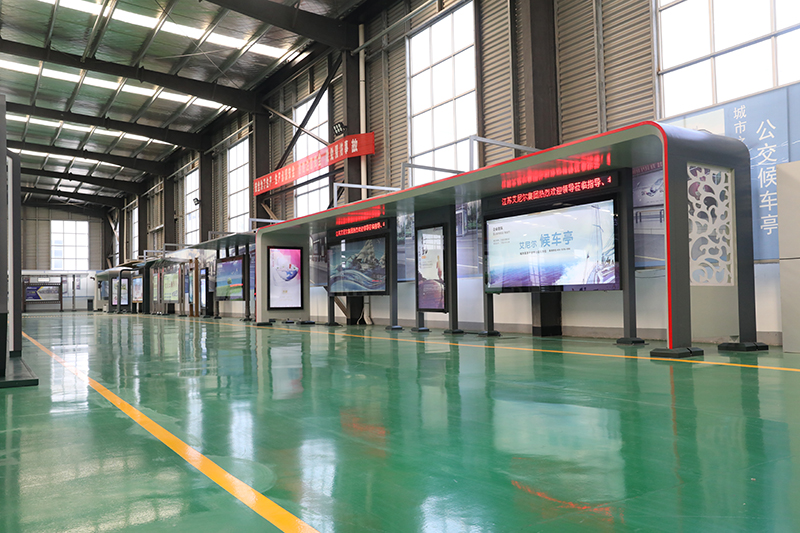
The differences below are design starting points, not universal specifications. Local exposure, passenger demand, and applicable regulations determine the final configuration.
| Design factor | Tropical climate bus shelter | Cold climate bus shelter |
|---|---|---|
| Main comfort priority | Shade and air movement | Protection from wind and precipitation |
| Typical enclosure strategy | Open or partially enclosed | More protective side and rear panels |
| Roof priorities | Solar shading and rainwater drainage | Snow-load resistance and controlled runoff |
| Material exposure | Humidity, UV radiation, coastal salts | Freeze–thaw conditions and deicing salts |
| Seating priorities | Shade and comfortable contact surfaces | Reduced exposure to wind and cold surfaces |
| Electrical priorities | Heat management and moisture protection | Low-temperature operation and condensation management |
| Solar power challenge | Heat, cloud cover, and shading | Short winter days, snow, and battery temperature |
| Maintenance focus | Drainage, coatings, seals, and ventilation | Snow clearance, ice prevention, and salt removal |
Transit guidance supports opaque roofs and ventilation gaps for summer comfort while emphasizing timely snow and ice removal in winter. A shelter serving both conditions needs a balanced configuration.
An attractive roof does not necessarily shade the people underneath it.
For tropical bus stop shelter design, evaluate where sunlight reaches the seating and standing areas throughout operating hours. Morning and afternoon sun can enter beneath a shallow canopy, particularly at exposed roadside locations.
Our design recommendation is to review:
- Roof projection and orientation.
- Shade coverage over accessible waiting spaces.
- Exposure of seats and hand-contact surfaces.
- Solar heat reaching advertising cabinets.
- Opportunities for side shading without blocking visibility.
Opaque roofing is a practical starting point for sun protection. However, roof geometry matters as much as roof material: passengers should not have to leave the shelter to find shade.
A tropical climate bus shelter usually benefits from an open or partially enclosed layout. Excessive enclosure can restrict airflow, especially when advertising panels occupy large portions of the structure.
The challenge is balancing ventilation with protection from wind-driven rain.
We recommend positioning protective panels according to prevailing weather exposure rather than applying the same panel arrangement to every stop. Keep boarding access clear and preserve sightlines between passengers and approaching buses.
This approach reflects established shelter guidance: openings should protect users from wind without making boarding inconvenient.
A pitched roof can reduce the accumulation of rain and debris, but the water still needs somewhere safe to go.
During design review, ask where roof runoff reaches the ground. Avoid directing it toward:
- The passenger boarding area.
- Shelter entrances.
- Wheelchair circulation routes.
- Electrical access points.
- Seating foundations.
Our recommended specification includes accessible gutters, cleanable outlets, and a drainage arrangement coordinated with the surrounding pavement. A larger canopy offers little benefit if concentrated runoff creates a puddle at the entrance.
A cold climate bus shelter should provide a protected waiting zone while preserving visibility and straightforward access.
Rear and side panels can help reduce wind exposure. Their orientation matters: an entrance directly facing prevailing winter winds may weaken the benefit of an otherwise protective enclosure.
More glazing is not automatically better. The design must still accommodate mobility aids, passenger movement, cleaning equipment, and visibility from the street.
Transit design guidance identifies weather protection, accessibility, visibility, and information as interconnected shelter functions.
A winter bus shelter roof must be engineered for the site's loading conditions, not simply made thicker than a tropical version.
Relevant hazards can include snow accumulation, uneven loading, wind-driven drifts, ice, and rain-on-snow conditions. ASCE guidance addresses these distinct load cases, illustrating why one generic "heavy-duty roof" specification is insufficient.
For procurement, request calculations covering the applicable local loads, structural connections, foundations, and anchorage.
Roof slope also requires careful assessment. A roof that sheds snow may move the hazard onto a footpath or boarding area. The objective is controlled snow and water behavior, not uncontrolled shedding.
Cold-weather performance depends on what happens around the shelter as well as inside it.
Snow piles can obstruct entrances. Meltwater can reach walking surfaces. Clearance equipment needs access without damaging panels or foundations.
Include the maintenance team in layout approval. Confirm:
1. Where removed snow will be stored.
2. How equipment reaches the shelter.
3. Which pedestrian routes receive priority clearance.
4. Where drainage discharges during thawing conditions.
5. How damaged surfaces will be repaired.
Winter transit guidance specifically emphasizes maintaining a safe route to the stop and a clear path to bus doors.
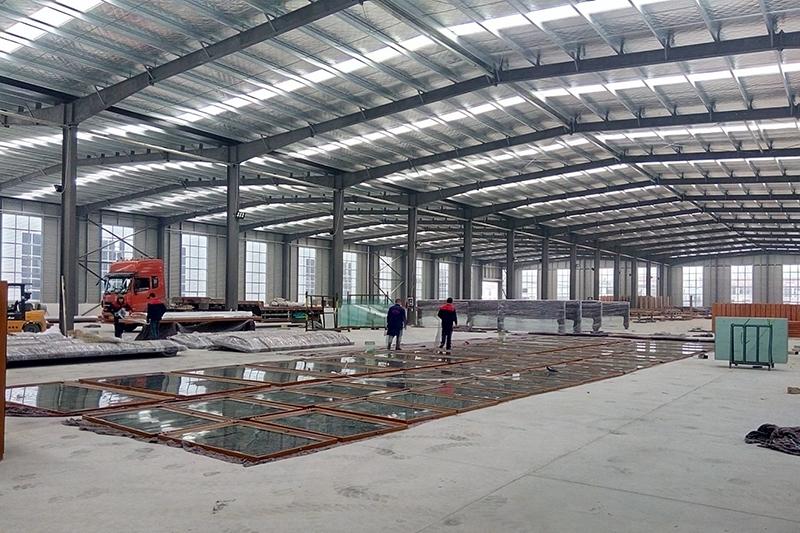
"Tropical" does not identify a single corrosion environment. An inland site and a salt-exposed waterfront stop can require different protective systems.
ISO 12944 provides a framework for classifying exposure and selecting protective paint systems for steel structures. Coastal salinity and humidity are relevant inputs, rather than reasons to choose a coating by appearance alone.
Our recommended procurement review covers surface preparation, coating system compatibility, edge and weld protection, inspection requirements, and maintenance access.
Avoid specifying only a color or a vague "outdoor powder coating." Ask what exposure the proposed system is designed to withstand.
A cold location is not automatically a low-corrosion location. Roadside salt exposure should be included in the project brief rather than overlooked because winter temperatures dominate the discussion.
For either climate, examine details that can retain water or complicate repairs:
- Hollow sections and drainage openings.
- Fastener locations.
- Panel-to-frame interfaces.
- Base plates near pavement level.
- Replaceable components and coating repair access.
Our manufacturing perspective is straightforward: durability depends on the entire assembly, not only the main frame material.
A smart bus shelter may include digital advertising, passenger information displays, lighting, sensors, and communications equipment.
For tropical projects, request evidence addressing cabinet heat management and moisture protection. For cold projects, confirm low-temperature operation, startup behavior, and condensation control.
Do not treat "outdoor display" as a complete technical specification. Require the supplier's operating limits, enclosure details, power demand, and servicing instructions.
We also recommend separating essential passenger lighting from nonessential advertising loads so the project team can define clear priorities during power interruptions.
A solar-powered bus shelter should be evaluated against seasonal energy availability and the actual electrical load—not panel wattage alone.
Cold-weather batteries require particular attention. For example, Victron's Lithium Battery Smart documentation allows charging only between +5°C and +50°C for that product family. This is a manufacturer-specific limit, not a universal rule for all batteries.
Our recommended assessment includes:
- Seasonal solar resource and local shading.
- Lighting and display operating schedules.
- Required backup duration.
- Battery operating and charging limits.
- Energy consumed by heaters or cooling equipment.
- Access for cleaning and replacement.
Solar-only operation may suit some projects. Others may need grid supply or a hybrid arrangement following a documented energy assessment.
Before requesting quotations, list the conditions that could interrupt service or increase maintenance.
For each risk, record the exposure, proposed response, evidence required, and responsible party.
| Risk | Proposed response | Evidence to request |
|---|---|---|
| Low-angle tropical sunlight | Revised canopy or side shading | Time-specific shade review |
| Wind-driven rainfall | Weather-facing protective panel | Layout and drainage review |
| Winter snow accumulation | Engineered roof and connections | Site-specific calculations |
| Cold battery charging | Suitable controls or thermal strategy | Battery and controller documentation |
| Salt exposure | Exposure-matched protection system | Coating specification and inspection plan |
This converts broad expectations into requirements that suppliers can price and project teams can verify.
A shelter can have an accessible interior while its entrance or boarding connection remains unusable.
For U.S. projects, Access Board requirements connect the shelter's clear floor space with an accessible route to the boarding and alighting area. Other jurisdictions require review against their own rules.
We recommend checking the complete journey: approach, entrance, waiting space, information access, and boarding connection.
Then repeat that review under realistic weather conditions. Consider wet pavement, snow storage, drainage discharge, and maintenance barriers—not only the clean installation drawing.
Two similar-looking shelters can create different maintenance obligations.
Ask each supplier to identify:
- Routine cleaning and inspection tasks.
- Replaceable parts and access arrangements.
- Coating repair procedures.
- Electrical servicing requirements.
- Spare-part availability.
- Exclusions and warranty conditions.
Our advice is to compare a defined operating scenario rather than assume either climate produces a predictable percentage increase in cost.
A transparent maintenance plan is more useful than an unsupported claim that a shelter is "maintenance-free."
Ainl is a Chinese manufacturer and solutions provider with 16 years of experience in smart-city public facilities and outdoor advertising products.
According to the company information supplied for this article, Ainl is a national high-tech enterprise with a site exceeding 260 Chinese mu and approximately 150,000 square meters of factory space.
Its production resources include a provincial-level hardware and software R&D center, CNC sheet-metal processing, a large coating center, and an electrical testing laboratory.
Ainl also reports Grade III qualifications for steel-structure and municipal construction contracting, three-system certifications, and Grade III safety-production standardization certification. Project buyers should verify certificate scope and destination-market requirements during qualification.
OEM/ODM options include shelter dimensions, structures, colors, screens, lighting, solar-power configurations, and city-branding elements. These options should follow the climate brief, rather than replace it.
Send Ainl your project location, site drawings, expected passenger capacity, and required advertising or passenger-information features.
Request an OEM/ODM proposal identifying the recommended structure, enclosure, coating, drainage, electrical configuration, and maintenance provisions. Require project-specific engineering and component documentation before final approval.
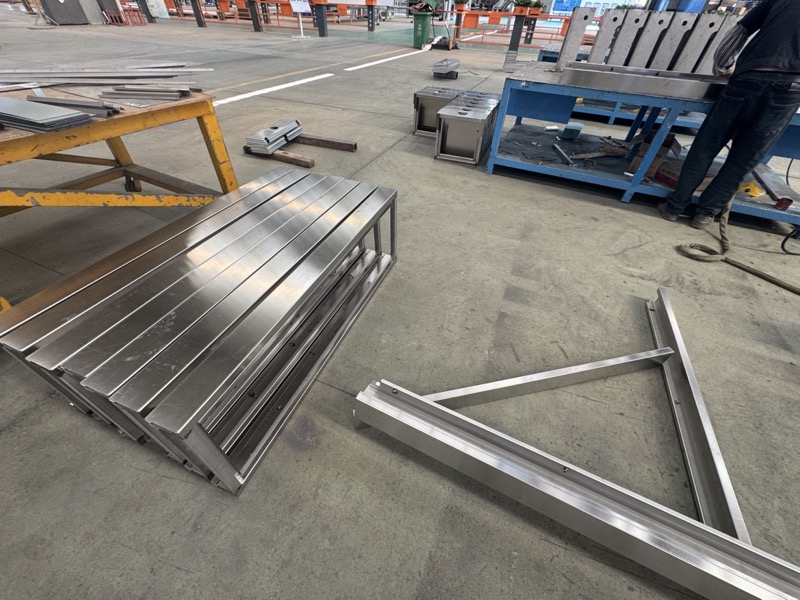
A common structural platform may support both, but enclosure, drainage, coatings, electrical equipment, and loading requirements need project-specific review. Mixed climates may require summer ventilation and winter wind protection.
Not automatically. Greater enclosure may improve protection but must preserve accessible circulation, visibility, safe entry, and practical maintenance. The appropriate layout depends on exposure and operations.
Start with useful shade and effective drainage. An opaque canopy is a practical option, but orientation, projection, wind loading, and rain discharge determine whether it works at the actual stop.
Potentially, with suitable components and energy sizing. Battery temperature limits, winter solar availability, snow coverage, and heating demand must be assessed for the chosen system.
No single material is automatically best. Compare the exposure, material grade, protective system, fabrication details, maintenance expectations, and project budget before selecting the assembly.
Provide the location, layout, passenger demand, climate exposure, required dimensions, branding, electrical loads, installation scope, and applicable local requirements. Include structural design criteria when available.
- [SMART — Bus Stop Design Standards Manual]. Transit-agency guidance covering shelter accessibility, summer shade and ventilation, and winter clearance.
- [Project for Public Spaces — Bus Shelters]. Design guidance on visibility, accessibility, comfort, openings, panels, and pitched roofs.
- [ASCE — ASCE/SEI 7-22]. Structural loading framework covering wind, snow, rain, ice, and load combinations.
- [ASCE — Snow Loads: Guide to the Snow Load Provisions of ASCE 7-22]. Detailed discussion of uneven snow loading, drifting, sliding snow, and rain-on-snow conditions.
- [AkzoNobel — ISO 12944 Guidance]. Protective-coating framework and corrosion-environment guidance.
- [U.S. Access Board — Chapter 8: Special Rooms, Spaces, and Elements]. Section 810.3 addresses bus shelter clear space and accessible connections.
- [Victron Energy — Lithium Battery Smart Manual: Operation]. Product-specific battery charging temperatures and operating conditions.
- Ainl company background supplied for this article. Source for experience, facilities, qualifications, and customization capabilities; these company statements were not independently verified.
- Design recommendations and procurement checklists are editorial synthesis informed by the guidance above. They are not reported field trials or substitutes for local engineering approval.


